
Services / Agentic Layer Engineering
Engineer AI that can actually do the work.
Build systems that can interpret context, use tools, coordinate multi-step work, take action, and stay under evaluation and human control.
 Tech SolutionFrostbiteCloud Data ArchitectureDATAWATCHSystem MonitoringDATA INSIGHTSecurity & StrategyNextGenCloud Edge ComputingELEVATE AINext Generation Models
When you need this
Recognize the situation before choosing the service.
Common challenges engineering and product teams bring to our specialized AI systems lab.
Work requires multiple tools, steps, or decisions.
A workflow needs context from several systems.
Human review and reliability still matter.
What we engineer
What we engineer.
Context & retrieval
Give the system access to the information it needs for the task.
Tool use
Connect AI to the tools and permissions required to perform useful work.
Orchestration
Coordinate steps, decisions, and handoffs across a workflow.
Human review
Make review points and escalation paths explicit where judgment matters.
Evaluation & reliability
Evaluate behavior and failure cases against the intended use.
Service model
Context becomes action.
Review stays in the loop.
01 /CONTEXT
Read the situation
02 /DECIDE
Choose a next step
03 /USE TOOLS
Use approved tools
04 /ACT
Perform the work
05 /REVIEW
Check output
Return to the problem as evidence changes.
Relevant work
Evidence that demonstrates this capability.
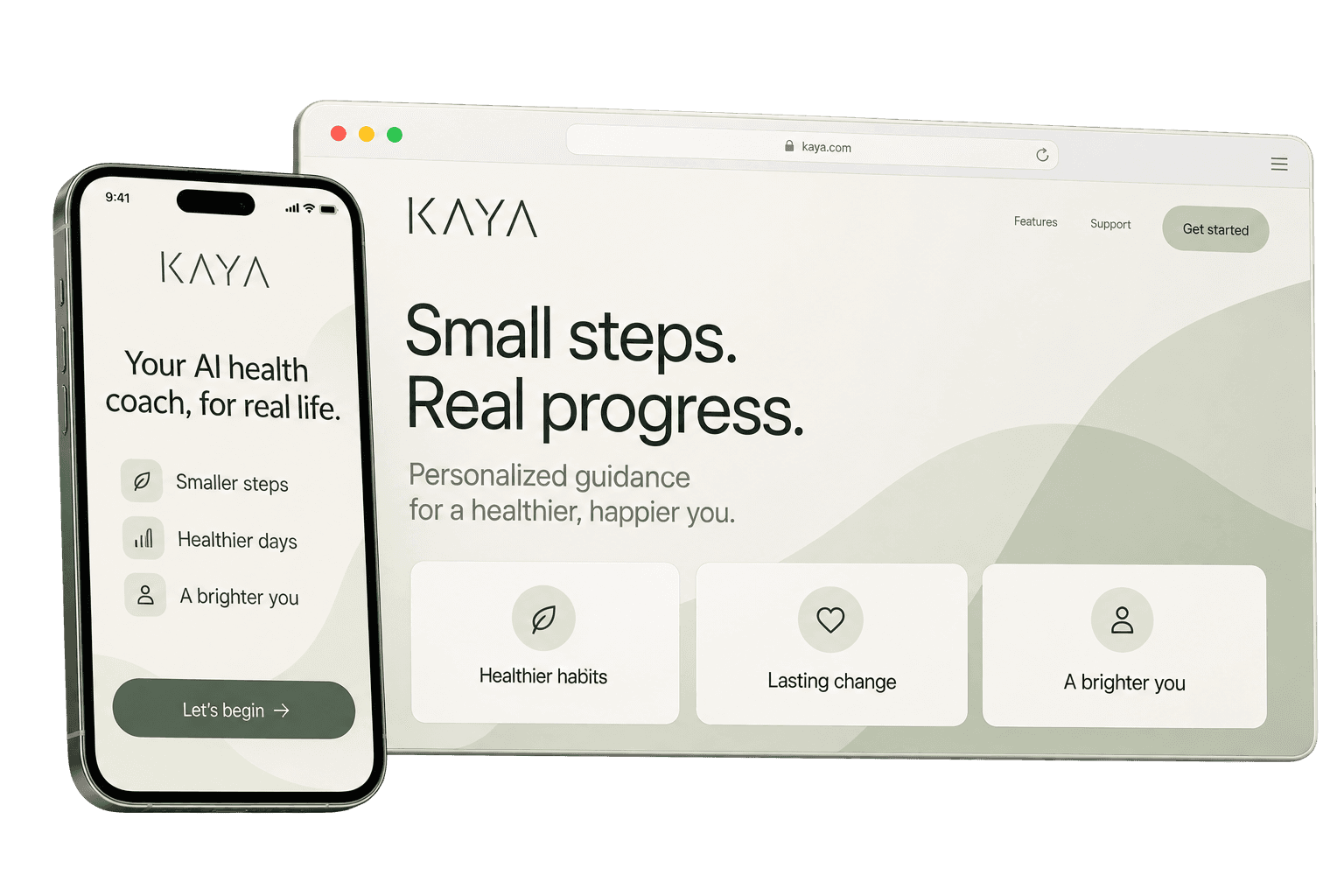
HEALTHCARE AI
AI PRODUCT ENGINEERING
View case study →Kaya Health Coach
Replaced slow enterprise search with instantaneous semantic discovery across 40M documents.

AI WORKSPACE
AI PRODUCT ENGINEERING
View case study →Nexagents
A venture studio fused with retail VC: autonomous operational systems that manage inventory distribution and automated reporting.
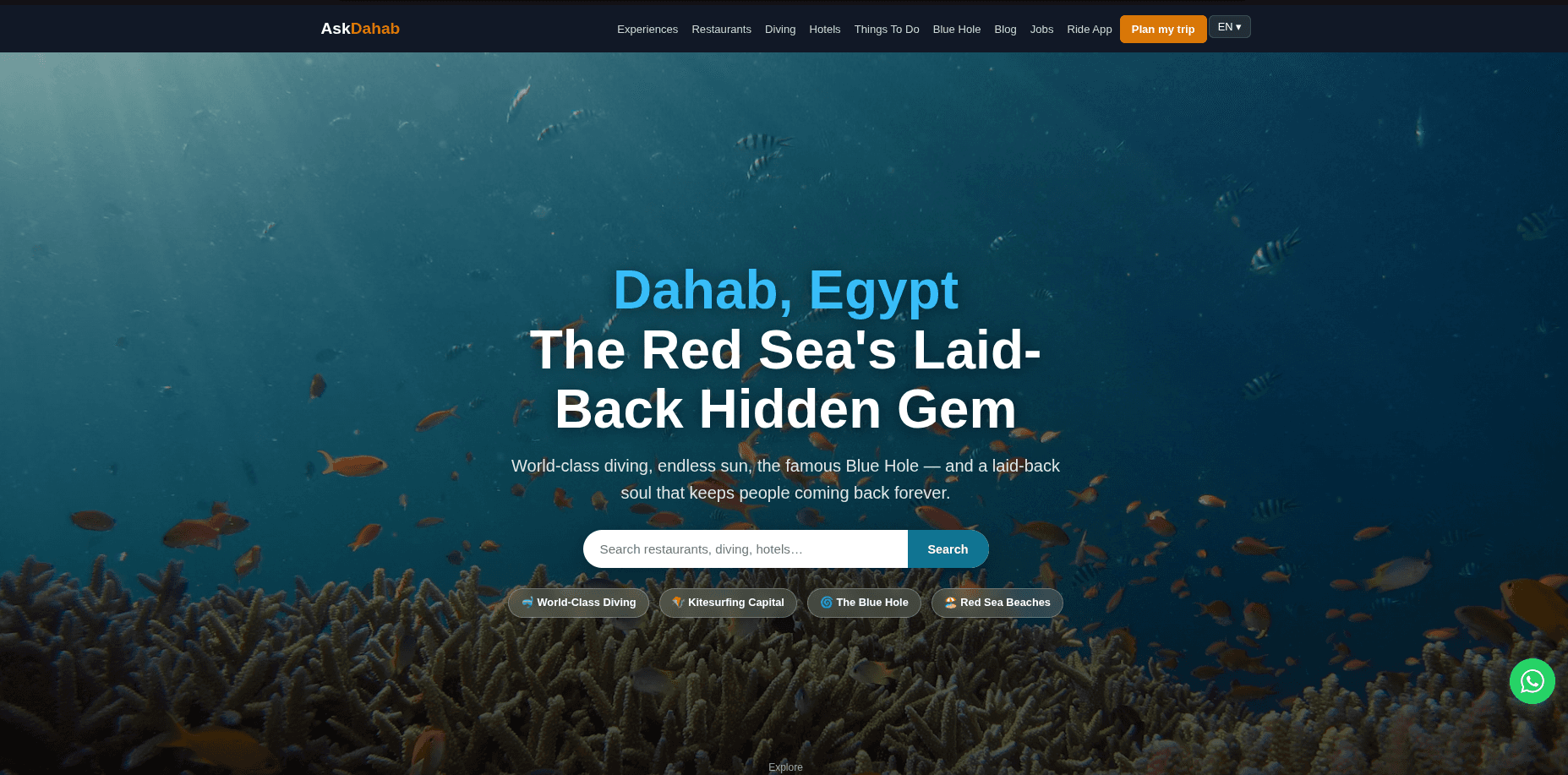
TRAVEL & BOOKING
AI PRODUCT ENGINEERING
View case study →AskDahab
Ask Dahab (askdahab.com) is a multilingual travel and booking platform for Dahab, Egypt
Engagement model
The engagement model depends on the problem.
Understand the problem
Establish the context and the most useful starting point.
Work closely with the team
Keep engineering connected to the people and workflows involved.
Build / integrate / adapt
Match the work to what the engagement actually requires.
Learn from evidence
Use results and feedback to guide the next decision.
FAQ
Frequently asked questions.
Common questions teams ask before starting an agentic layer engineering engagement.
An agentic layer sits between large language models and your operational systems, adding structured reasoning, tool orchestration, state management, and verification logic. It turns probabilistic model output into reliable, observable, and auditable workflows that can execute work in production.
Basic chatbot integrations are optimized for conversation, while our agentic systems are optimized for execution. We design agents to parse intent, validate inputs, route across services, manage multi-step state, recover from failures, and produce deterministic outcomes with measurable reliability.
Agents can connect to REST and gRPC services, internal APIs, databases, vector stores, ERP systems, ticketing platforms, messaging channels, observability pipelines, and custom backend workflows.
We build reliability through type-safe contracts, pre-execution validation, bounded retries, checkpointed state, rollback paths, and deterministic assertion gates. When a step fails, the agent can recover, escalate, or pause for human review instead of continuing blindly.
Yes. We design orchestration logic that can sequence actions, branch conditionally, delegate sub-tasks, and maintain consistent context across the full end-to-end process.
Production-grade deployment includes observability, evaluation harnesses, access controls, cost and latency monitoring, audit logging, and clear operational ownership. We design for safe rollout, measurable performance, and continuous improvement.
Let's talk
Have an AI product worth building?
Tell us the challenge you're tackling. We'll audit the technical feasibility and determine the right next step within 48 hours.
Talk to our team →

